Before someone becomes a mortgage applicant, they're a person with questions.
They're not thinking about lead funnels, conversion rates, CRM automation, or marketing campaigns.
They're wondering if they can afford a home.
They're asking themselves whether now is the right time to buy.
They're worried about their credit score, down payment, monthly payment, and whether they're making the biggest financial mistake of their lives.
Then something changes.
The moment they click "Get Pre-Qualified," many systems stop seeing a person and start seeing a lead.

The Language We Use Shapes the Experience We Deliver
Words matter.
When we call someone a buyer, our mindset changes.
When we call someone a client, our responsibility changes.
When we call someone a lead, our priorities change.
The conversation quietly shifts from helping someone make a good decision to moving them through a sales process.
To be clear, every business needs new customers. Marketing matters. Lead generation matters.
But somewhere along the way, the mortgage industry became exceptionally good at generating opportunities — and not nearly as good at preparing people.
The Buyer Doesn't Want to Become a Lead
Think about the average first-time homebuyer.
They aren't sitting at the kitchen table saying,
They're asking questions like:
Those questions deserve thoughtful answers.
Instead, too often they're met with forms, automated emails, sales calls, and marketing campaigns before anyone has taken the time to educate them.
We ask for contact information before we've earned trust.

Realtors See It Every Day
Talk to almost any experienced Realtor.
They'll tell you that much of their job isn't showing homes.
It's answering the same questions over and over again.
Explaining the process. Reducing anxiety. Managing expectations.
Helping buyers separate internet myths from reality.
By the time a buyer reaches the closing table, they've needed a teacher almost as much as they've needed a real estate professional.
That's because buying a home isn't just a financial transaction.
Loan Officers Feel It Too
Loan officers understand this better than anyone.
Most didn't get into this business because they love filling out disclosures or chasing documents.
They got into it because they enjoy helping people achieve homeownership.
Yet many spend a significant portion of every day answering the same introductory questions.
Not because buyers aren't capable.
Because nobody prepared them before the conversation began.

Imagine how much more meaningful those conversations could become if buyers arrived informed, organized, and confident instead of overwhelmed.
We Measure the Wrong Things
Our industry celebrates metrics like:
Those are important business metrics.
But they don't tell us whether we're actually helping people make better decisions.
What if we also measured:
Those measurements would tell a very different story.
Education Should Come Before Qualification
Imagine a home-buying experience where consumers could learn at their own pace.
Where questions were welcomed instead of rushed.
Where buyers understood what came next before they were asked to make important decisions.
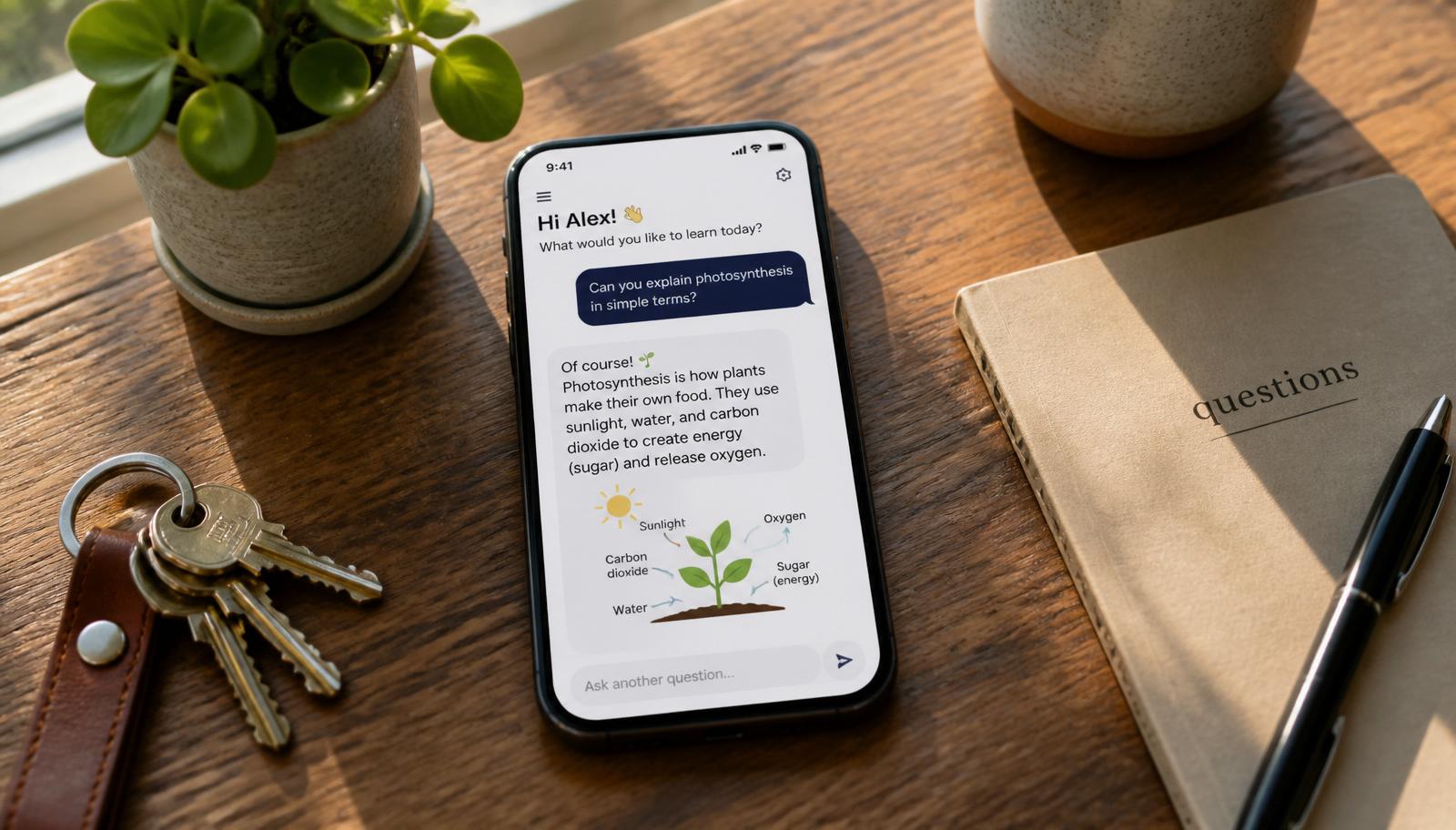
Where technology helped educate people — not simply collect information.
That's the kind of experience consumers deserve.
And it's the kind of experience our industry is capable of creating.
Technology Should Build Trust
Artificial intelligence is changing every industry, including ours.
Some people see AI as a way to replace conversations.
I see it differently.
The best technology should answer routine questions, explain complicated processes, identify missing steps, and keep everyone informed.
It should reduce repetitive work so professionals can spend more time doing what only people can do:
Technology shouldn't replace relationships.
Maybe It's Time to Change the Conversation
Perhaps the next evolution of mortgage technology isn't another way to generate more leads.
Perhaps it's creating more prepared buyers.
People who understand the process.
Know what to expect.
Ask better questions.
And feel confident long before they sign closing documents.
Because when someone visits a lender's website, fills out an online form, or asks a Realtor for advice, they aren't asking to become a lead.
If we remember that simple truth, I believe we'll build a better experience — not just for buyers, but for every professional who serves them.